
Ice Bath vs Cold Shower | What’s the Difference? | KOVE
In this guide
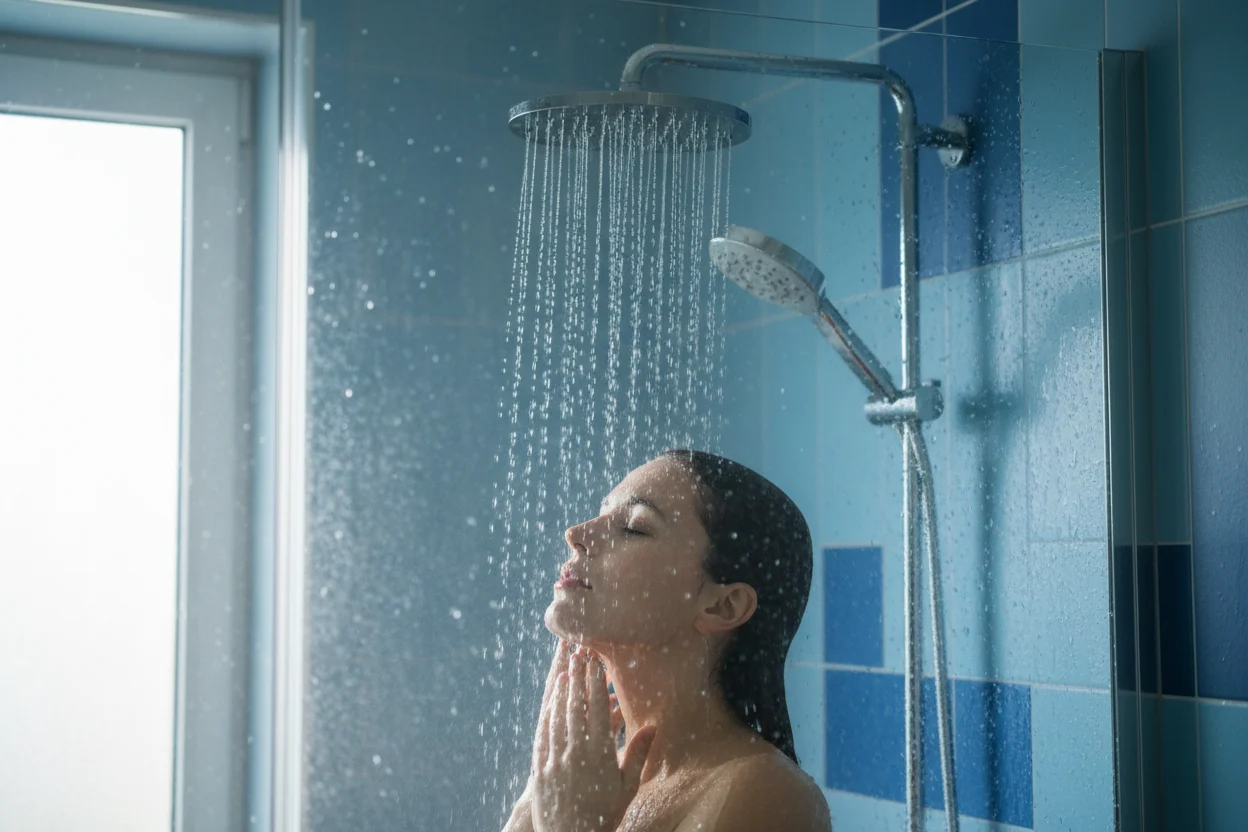
A cold shower is free and easy, but in an Australian summer the cold tap is often anything but.
Cold exposure has become a core part of modern recovery routines — from busy professionals to athletes and wellness-focused households.
Two of the most common options are cold showers and ice baths (cold plunges). Both expose the body to cold, but the experience, control, and long-term usability are very different.
Understanding those differences makes it easier to choose a method you’ll actually use consistently.
What Is a Cold Shower?
A cold shower uses your existing shower system, turning the water to cold for short exposure. It’s the most accessible form of cold therapy — no equipment, no setup, and no dedicated space required.
What Cold Showers Feel Like
- Sharp, immediate cold sensation
- Primarily upper-body exposure
- Temperature varies by season and plumbing
- Often used for short bursts
Because the water temperature depends on mains supply, cold showers are typically less consistent — colder in winter, milder in summer.
Common Cold Shower Use Cases
- Quick morning wake-up
- End-of-shower cold exposure
- Entry point for cold therapy beginners
- People with limited space
What Is an Ice Bath / Cold Plunge?
An ice bath (also known as a cold plunge) involves full-body immersion in cold water using a dedicated tub or plunge system.
Temperature can be managed using ice, cold water, or — in more advanced setups — a chiller system that maintains a consistent target temperature.
What Ice Baths Feel Like
- Even, full-body cold exposure
- More stable temperature throughout the session
- Slower, more controlled entry
- Often calmer after the initial immersion
Because immersion is consistent from shoulders to legs, ice baths create a more uniform physiological response compared to showers.
Common Ice Bath Use Cases
- Post-training recovery
- Contrast therapy with saunas
- Dedicated home wellness routines
- Gyms, studios, and shared spaces
Key Differences: Cold Showers vs Ice Baths
Temperature Control
- Cold Showers: Dependent on plumbing and season
- Ice Baths: Controlled manually or via chiller systems
Exposure Type
- Cold Showers: Partial and uneven exposure
- Ice Baths: Full-body immersion
Consistency
- Cold Showers: Variable day-to-day
- Ice Baths: Repeatable and predictable
Routine & Ritual
- Cold Showers: Fast, functional, informal
- Ice Baths: Intentional, structured, ritual-based
Comfort Over Time
- Cold Showers: Often feel harsher on face and upper body
- Ice Baths: Initial shock followed by steadier sensation
Which One Fits Your Lifestyle?
Cold Showers Make Sense If:
- You want the simplest possible option
- You’re new to cold exposure
- You prefer very short sessions
- You don’t want extra equipment
Ice Baths Make Sense If:
- You want consistent, repeatable sessions
- You value full-body immersion
- You use contrast therapy with a sauna
- You want a dedicated recovery ritual
Many people start with cold showers and progress to ice baths once they realise consistency matters more than intensity.
Cold Exposure as a Routine — Not a Challenge
The most effective recovery routines are not extreme — they are repeatable.
Cold exposure works best when it:
- Fits easily into your day
- Feels controlled rather than chaotic
- Can be repeated week after week
This is why dedicated ice baths are often chosen for long-term use, while cold showers remain a convenient fallback or supplement.
Cold Showers in Australia
Through summer, especially in Queensland, NSW and WA, cold tap water can be closer to tepid than cold. That is why many Australians find cold showers work in winter but do not deliver the same experience year-round, and why a chilled ice bath gives a consistent result.
The KOVE Approach
At KOVE, we design ice baths, chillers, and recovery systems around real-world use — not extremes.
- Durable construction
- Consistent temperature control
- Simple, maintainable setups
Whether you start with cold showers or move to a dedicated plunge, the goal is the same: recovery you can maintain.
This content is for general wellness information only and is not intended as medical advice.
Planning your setup?
Our Australian team can help you choose the right equipment for your space, power supply and routine, and answer anything this guide didn't cover.
Best Ice Bath Australia (2026) | Cold Plunge Tubs Compared
Compare the best ice baths for Australian homes, from inflatable cold plunges to cedar tubs, plus which chiller you need for Australian…
How Long Does an Ice Bath Take to Get Cold?
How long does an ice bath chiller take to cool water? Learn how chiller power, water volume, weather and starting temperature affect…
Best Ice Bath Chiller Australia (2026) | Cold Plunge Chillers Compared
Which ice bath chiller do you need for Australian conditions? Compare the KOVE Core 0.5HP, Pro 1HP and Elite 1.5HP chillers and…