
Sauna Base Guide: Concrete, Slabs, Gravel or Timber? | KOVE
In this guide
In Australia, the right sauna base depends as much on your soil and rainfall as on the sauna itself, from reactive clay in Melbourne and Adelaide to sandy coastal blocks.
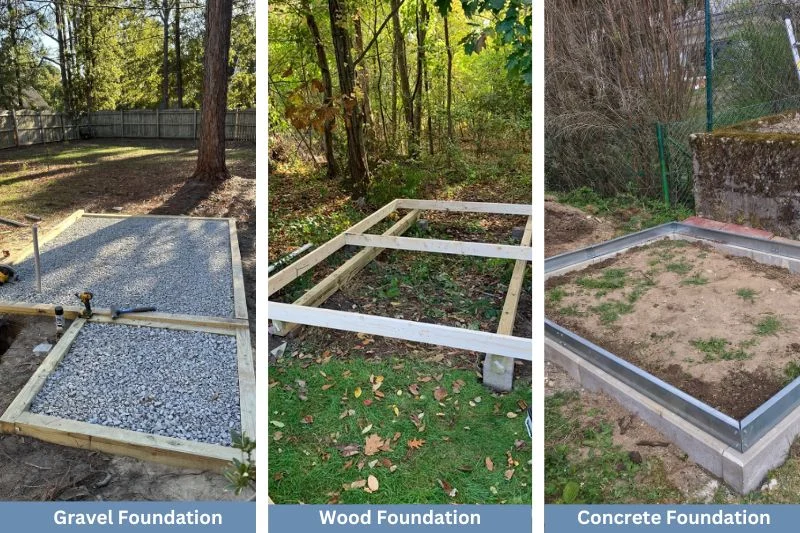
How to Build a Base for an Outdoor Sauna
A properly built base is one of the most important parts of any sauna installation. If the base is not level, solid, and well-drained, it can lead to issues with alignment, stability, and long-term performance.
This guide covers the four most common sauna base options: paving slabs, concrete, timber frame, and gravel — along with when to use each and how to build them properly.
—
General Rules for Any Sauna Base
- Make the base at least 100–150mm larger than the sauna footprint
- Ensure the surface is flat and level in all directions
- Use a solid, compacted foundation
- Allow for drainage around the base
- Plan access and electrical routing early
—
Sauna Base Comparison
| Base Type | Cost | Difficulty | Best For | Notes |
|---|---|---|---|---|
| Paving Slabs | $$ | Medium | Most homes | Best balance of cost and stability |
| Concrete | $$$ | Higher | Permanent installs | Strongest and lowest maintenance |
| Timber Frame | $$–$$$ | Medium–High | Raised or uneven ground | Must be rigid and well supported |
| Gravel | $ | Low–Medium | Drainage-focused setups | Best when combined with slabs under load |
—
Option 1: Paving Slab Base
A slab base is the most common and practical option for outdoor saunas.
Steps
- Mark out area larger than sauna
- Excavate 150–250mm
- Remove soft soil and roots
- Add hardcore in layers and compact
- Check level carefully
- Add thin sand bedding layer
- Lay slabs and level
- Check stability
Advice:
- Keep bedding layer thin
- Use large slabs where possible
- Fix any movement before installation
—
Option 2: Concrete Base
The most durable and permanent solution.
Steps
- Mark out base area
- Excavate
- Add compacted hardcore
- Build shuttering
- Add reinforcement if needed
- Pour concrete
- Screed level
- Allow to cure fully
Advice:
- Do not rush curing
- Ensure edges are square and level
- Plan drainage around slab
—
Option 3: Timber Frame Base
A timber base works well where a raised platform is required or the ground is uneven.
Steps
- Install solid support points (pads or ground screws)
- Build outer frame
- Add joists at regular spacing
- Level entire structure
- Add bracing
- Install decking surface
- Check for flex
Advice:
- Use pressure-treated timber only
- Ensure no movement or flex
- Allow airflow underneath
—
Option 4: Gravel Base
A gravel base is a simple, cost-effective option that provides excellent drainage.
Steps
- Mark out base area
- Excavate 150–250mm
- Install edging
- Lay membrane
- Add and compact sub-base
- Check level
- Add top gravel layer
Advice:
- Use angular gravel, not rounded
- Compact properly
- Keep top layer thin
For best results, place slabs or pads under sauna support points.
—
Which Base Should You Choose?
- Best overall: Paving slabs
- Best long-term: Concrete
- Best for raised installs: Timber frame
- Best for drainage: Gravel (with supports)
—
Common Mistakes to Avoid
- Base too small
- Not compacting sub-base
- Using soft sand to level
- Building directly on grass
- Ignoring drainage
- Not checking level properly
—
Base Considerations for Australian Conditions
Reactive clay soils, common around Melbourne, Adelaide and parts of Sydney, move as they wet and dry, so a properly prepared concrete slab or engineered footings are the safest option. On sandy coastal blocks, compact the base well and allow for drainage.
In termite-prone areas, keep timber off the ground and leave room for inspection. Check with your local council whether your sauna needs approval; many small outbuildings are exempt, but the rules vary by state and by block.
Short Version
Mark → dig → compact → level → install.
If the base is right, the sauna build becomes much easier.
Planning your setup?
Our Australian team can help you choose the right equipment for your space, power supply and routine, and answer anything this guide didn't cover.
How to Build a Cube Sauna: Complete Installation Guide
A KOVE cube sauna is designed for straightforward assembly by a capable homeowner or local handyman, with a licensed electrician connecting the…
How Much Does a Sauna Cost to Run in Australia?
How much electricity does a home sauna use in Australia? Example running costs for infrared, barrel and cube saunas at Australian power…
Sauna Before Bed: Can Evening Heat Therapy Improve Sleep?
Long workdays, screens and warm summer nights don’t make sleep easy, which is part of why evening sauna sessions have become popular…